
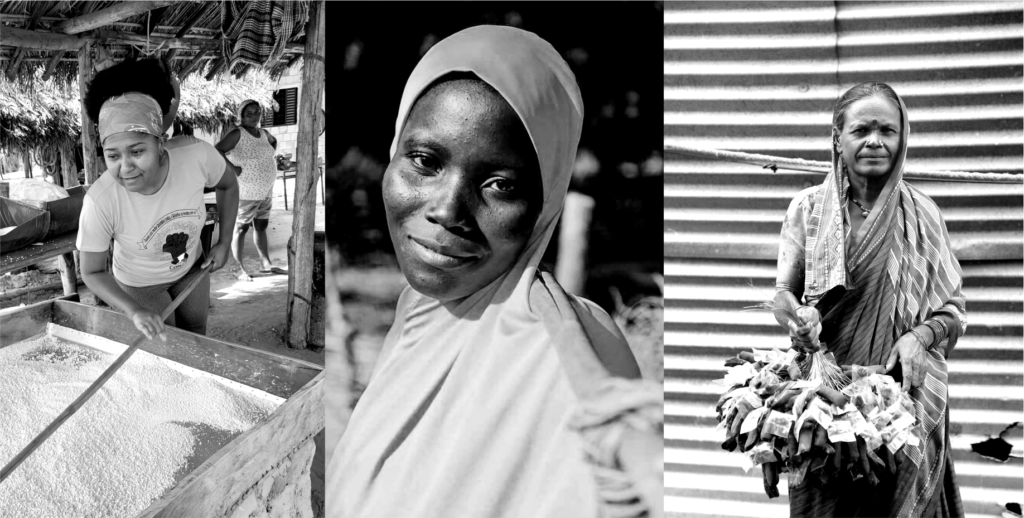
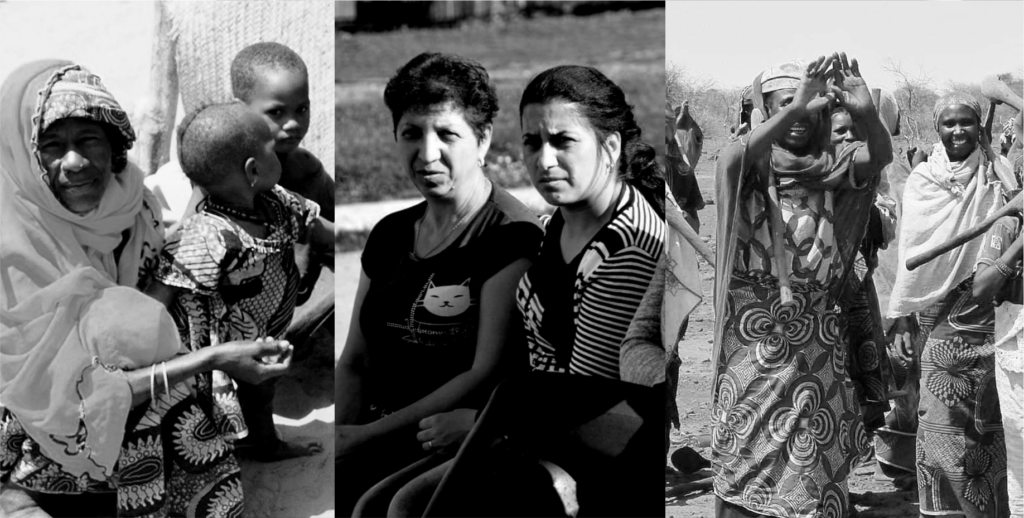
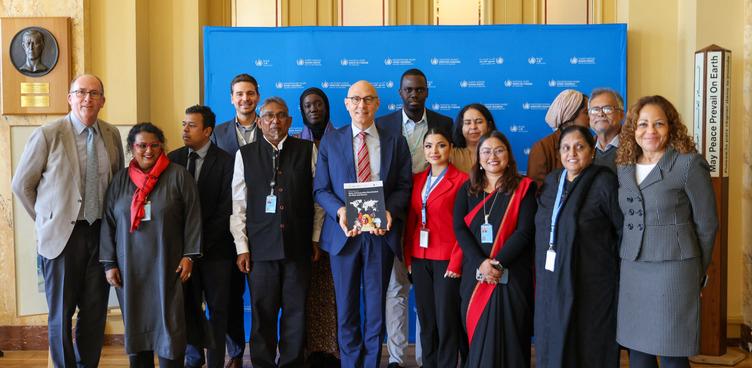
CDWD across the globe
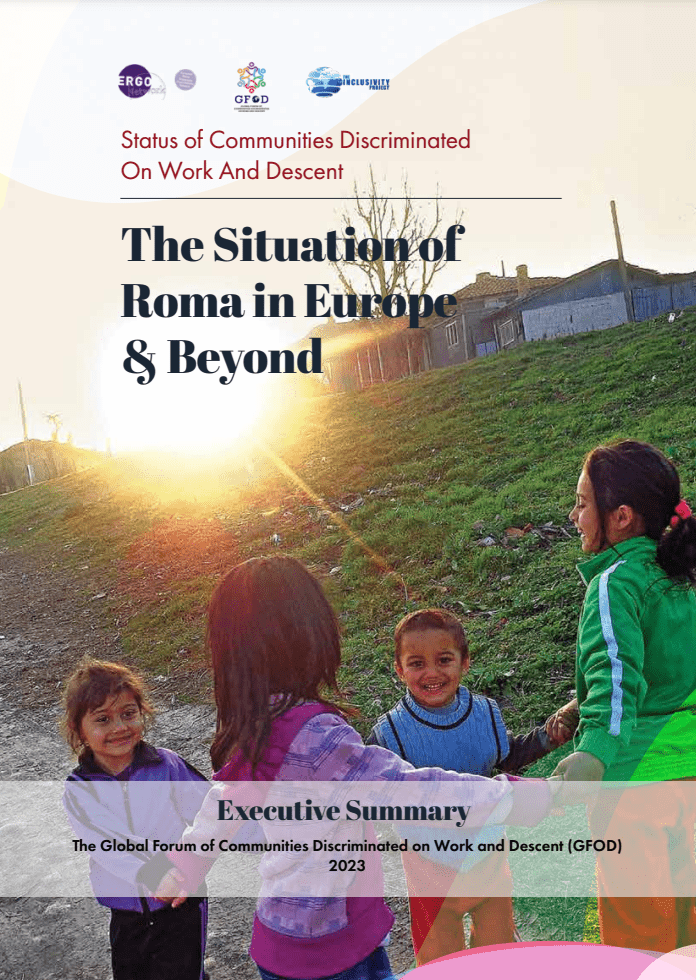
Publications
Our publications have become the one-stop destination for all news and information related to the CDWD across the globe. All publications uploaded here are the property of GFOD unless specified otherwise. All our reports are free to download and will always remain so.
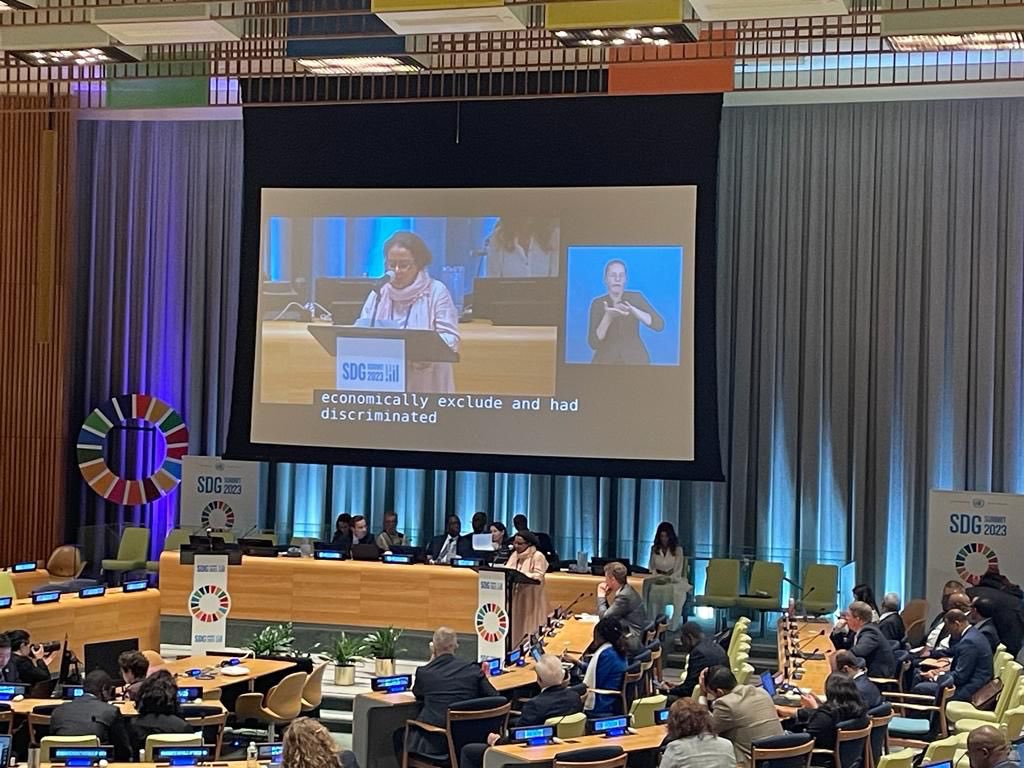
CDWD at UN
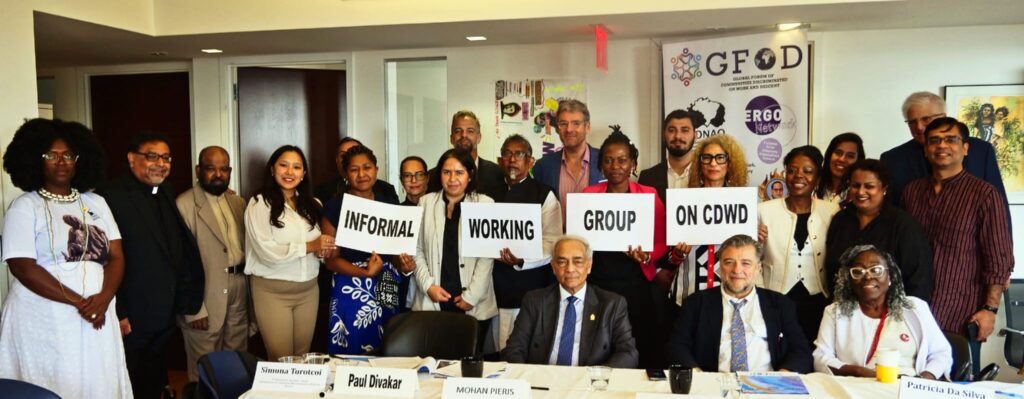
Representing the CDWD at the United Nations is vital for ensuring their voices are heard globally. It promotes inclusivity, influences international policy, highlights injustices, fosters global solidarity, and drives equitable development. This representation is crucial for advocating basic human rights, securing funding, and empowering CDWD to achieve sustainable development goals (SDGs) and access to human rights.
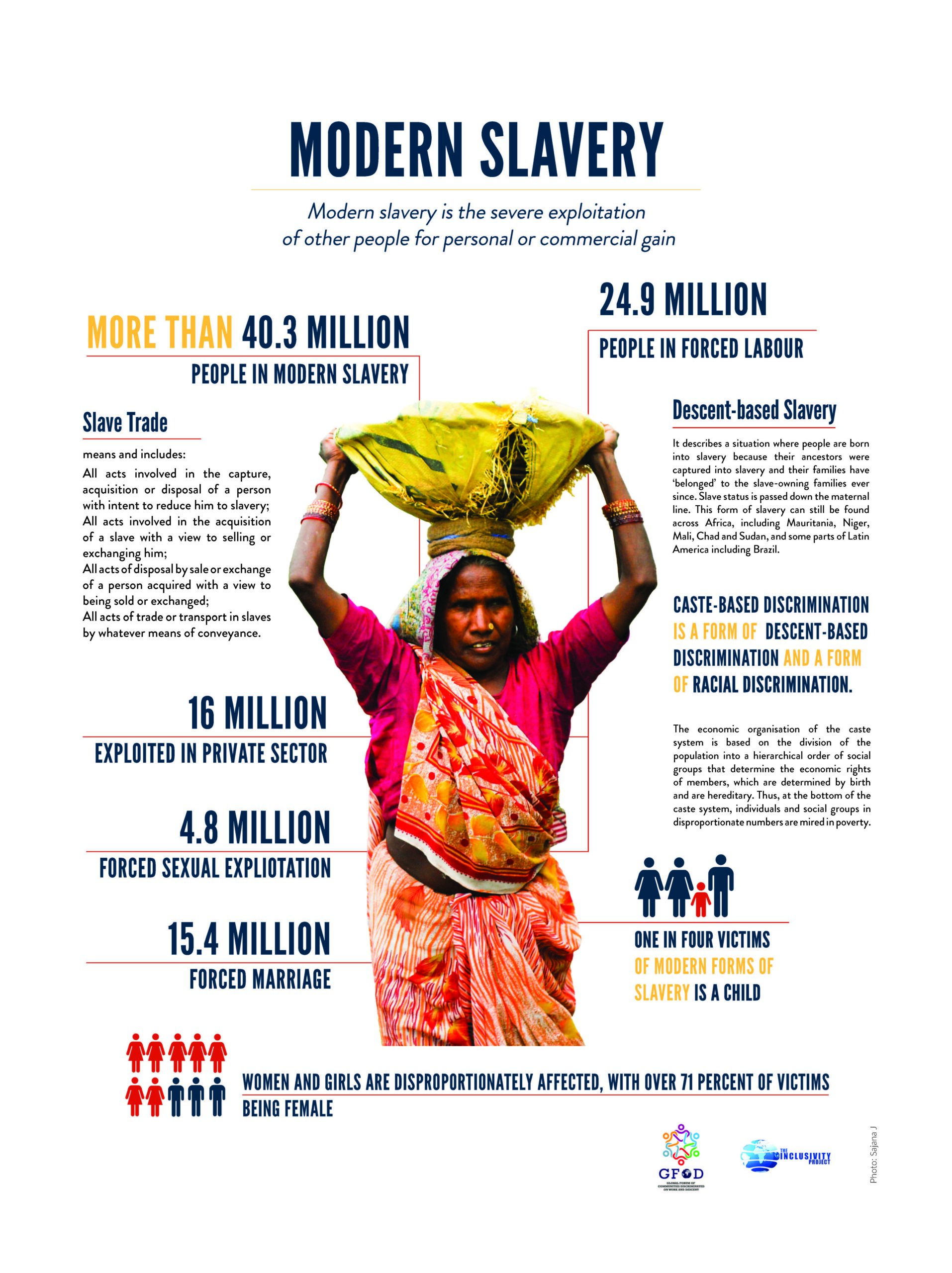
Infographics
At GFOD, we believe information must be disseminated via as many mediums as possible. Our infographics section crunches information from multiple sources and presents them in a data-friendly format. Click on the infographics to learn more about CDWD across the globe.
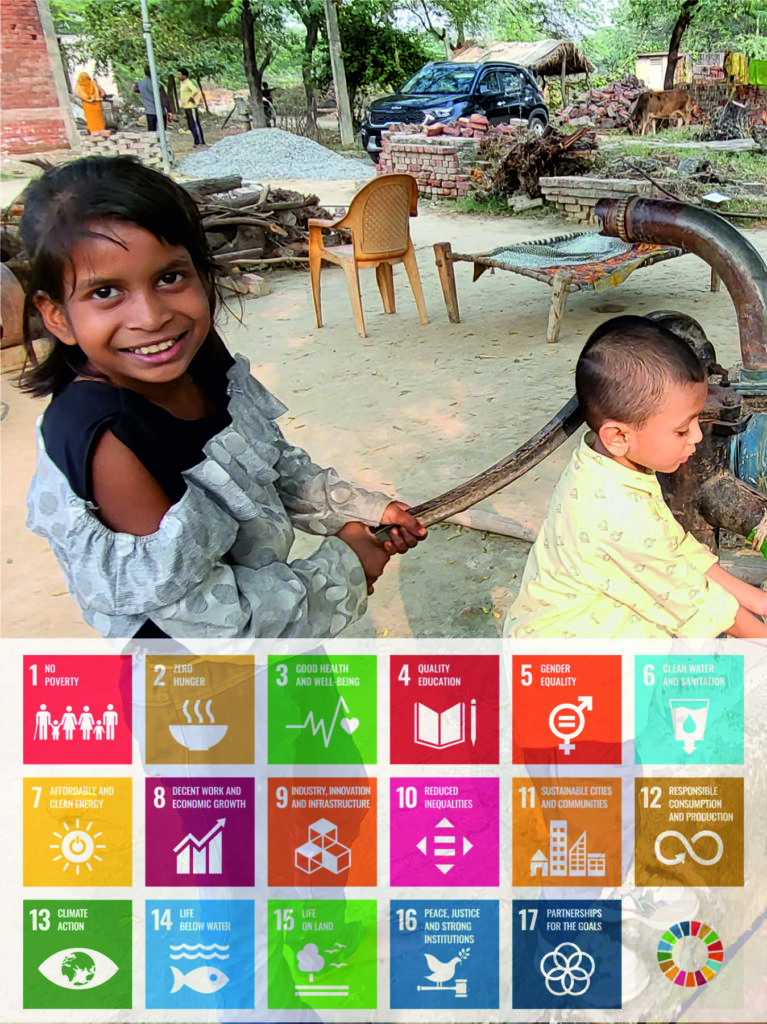
SDGs
Communities Discriminated on Work and Descent (CDWD) encounter substantial barriers that impede their full participation in society and limit their access to economic, social, and political opportunities. The Sustainable Development Goals (SDGs) offer a global framework to tackle these obstacles and promote inclusive development.
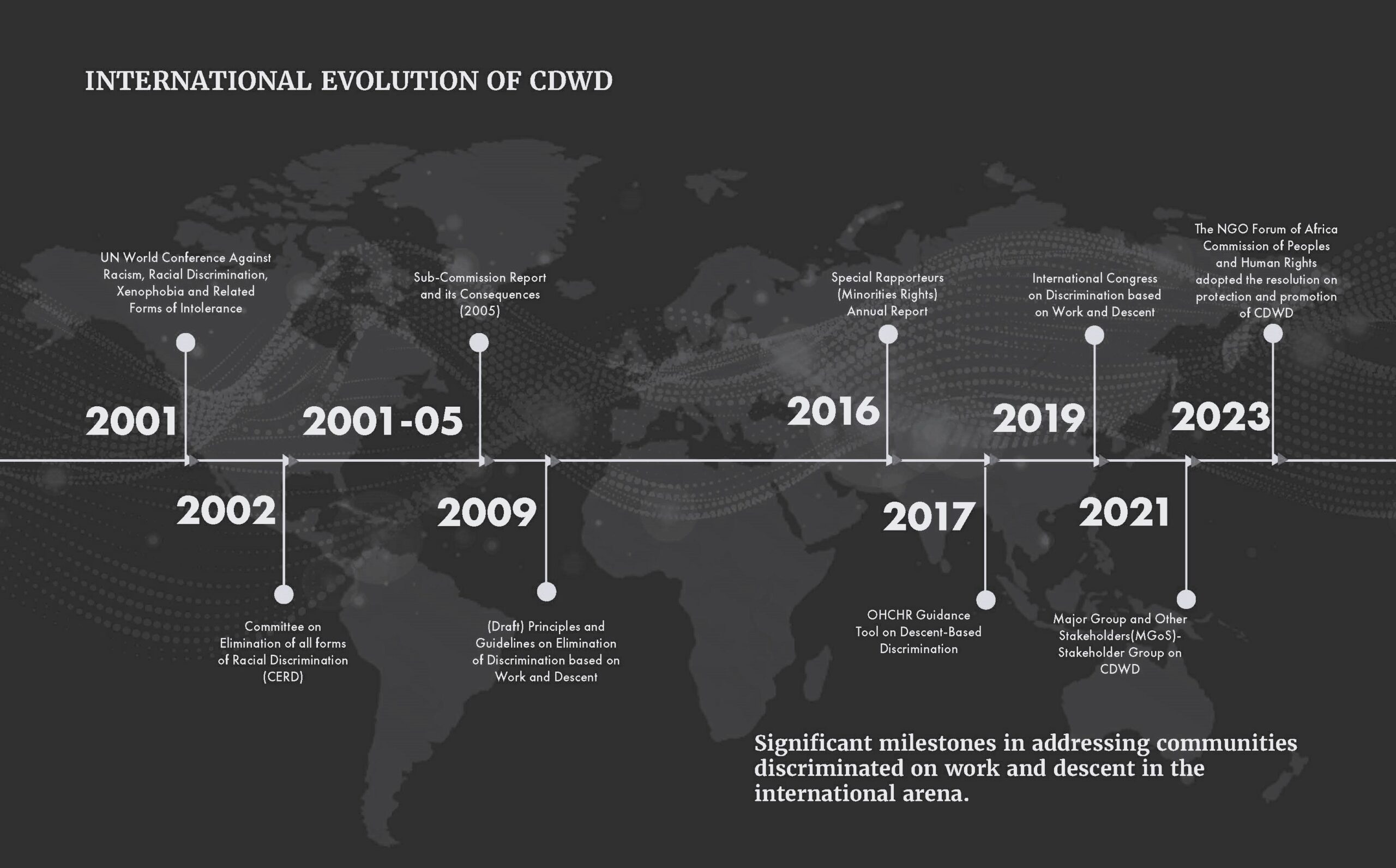
CDWD on Ground
-
From Representation to Recognition: CDWD Youth at the UN General Assembly Third Committee Youth Forum
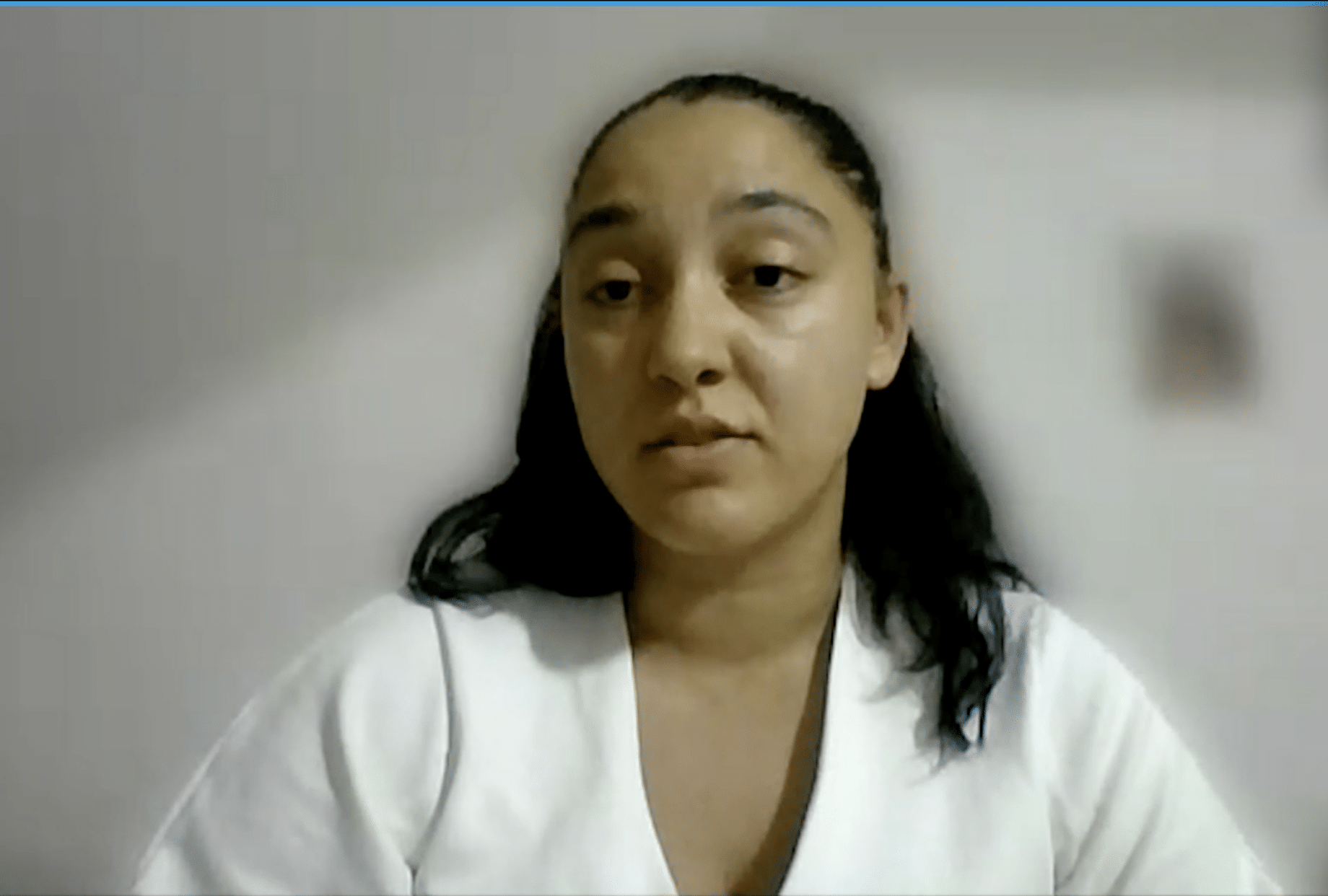
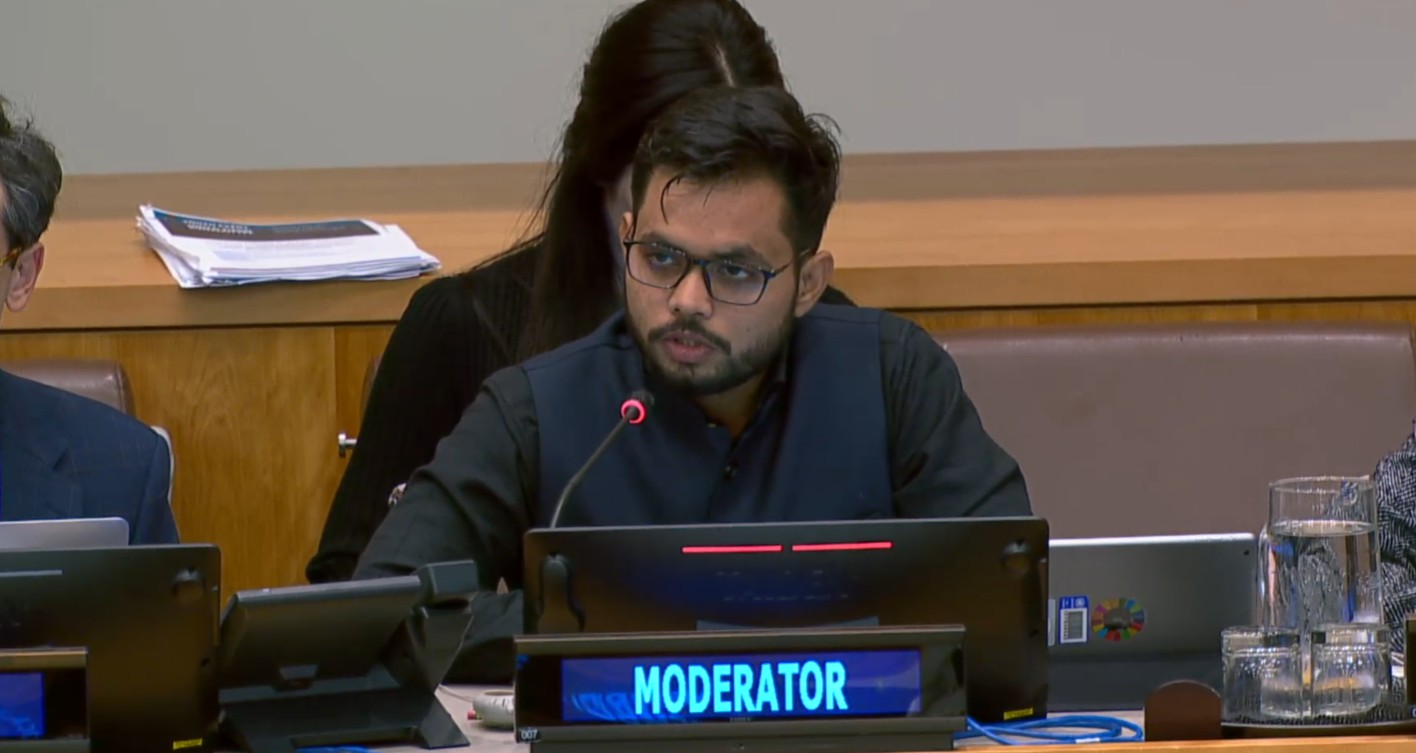
The representation of youth from Communities Discriminated on Work and Descent (CDWD) at the UN General Assembly Third Committee Youth Forum in 2026 marks another important step towards ensuring that historically marginalised young people are recognised in global decision-making.At this year’s forum, Millena Reljic, a 30-year-old Roma woman from Europe, brought the concerns of CDWD youth directly into the discussion. Representing The Inclusivity Project and ERGO Network, she highlighted the discrimination faced by young people from communities affected by inherited status and descent, emphasising the need for their experiences to be reflected in international policies, data and decision-making. “If we…
-
Water Justice for All: GFoD Calls for an End to Work and Descent Based Exclusion at the 2026 UN Water Conference
Communities discriminated on work and descent call for recognition, dignity, meaningful participation and equitable access to water, sanitation and climate resilience. The Global Forum of Communities Discriminated on Work and Descent (GFoD) has released six policy briefs and a focus on women, water and dignity for the 2026 UN Water Conference. The package urges governments to address work- and descent-based discrimination as a barrier to universal water, sanitation and hygiene. Dalits, Roma, Quilombola, Haratine, Osu and other affected communities face exclusion shaped by caste, descent, inherited status and occupation. These factors influence access to water and sanitation, hazardous work, public investment…
-
From a brothel to the UN —is the aid sector ready for survivor leadership?
This powerful opinion piece by Shweta Katti challenges the global development sector to move beyond amplifying survivor stories and toward genuinely supporting survivor leadership. Drawing from her lived experience growing up in Mumbai’s red-light area, she makes a compelling case for shifting power, trust, and resources to communities themselves—highlighting how survivor-led initiatives like Kranti are already driving transformative change. We invite you to read the full article and reflect on what true localization and community leadership really mean in practice. Originally published in From a brothel to the UN — is the aid sector ready for survivor leadership? | Devex
-
Advancing GENDER EQUALITY by Recognizing Women Discriminated on Work and Descent at CSW70
The Global Forum of Communities Discriminated on Work and Descent (GFOD) has released a powerful Call to Action: Advancing Gender Equality by Recognizing Women Discriminated on Work and Descent at CSW70. This paper highlights the persistent exclusion of Dalit, Roma, Burakumin, Haratin, Quilombola, Palenque, and other descent-based communities from global gender equality frameworks. It underscores how women and girls facing caste- and descent-based discrimination experience compounded marginalization and calls for their formal recognition, protection, and meaningful participation within the Commission on the Status of Women (CSW70). The document outlines clear recommendations, including legal reforms, the creation of a dedicated UN…
-
From Recognition to Real Change: CDWD Advocates Call for Urgent Action to Implement ACHPR Resolution 619
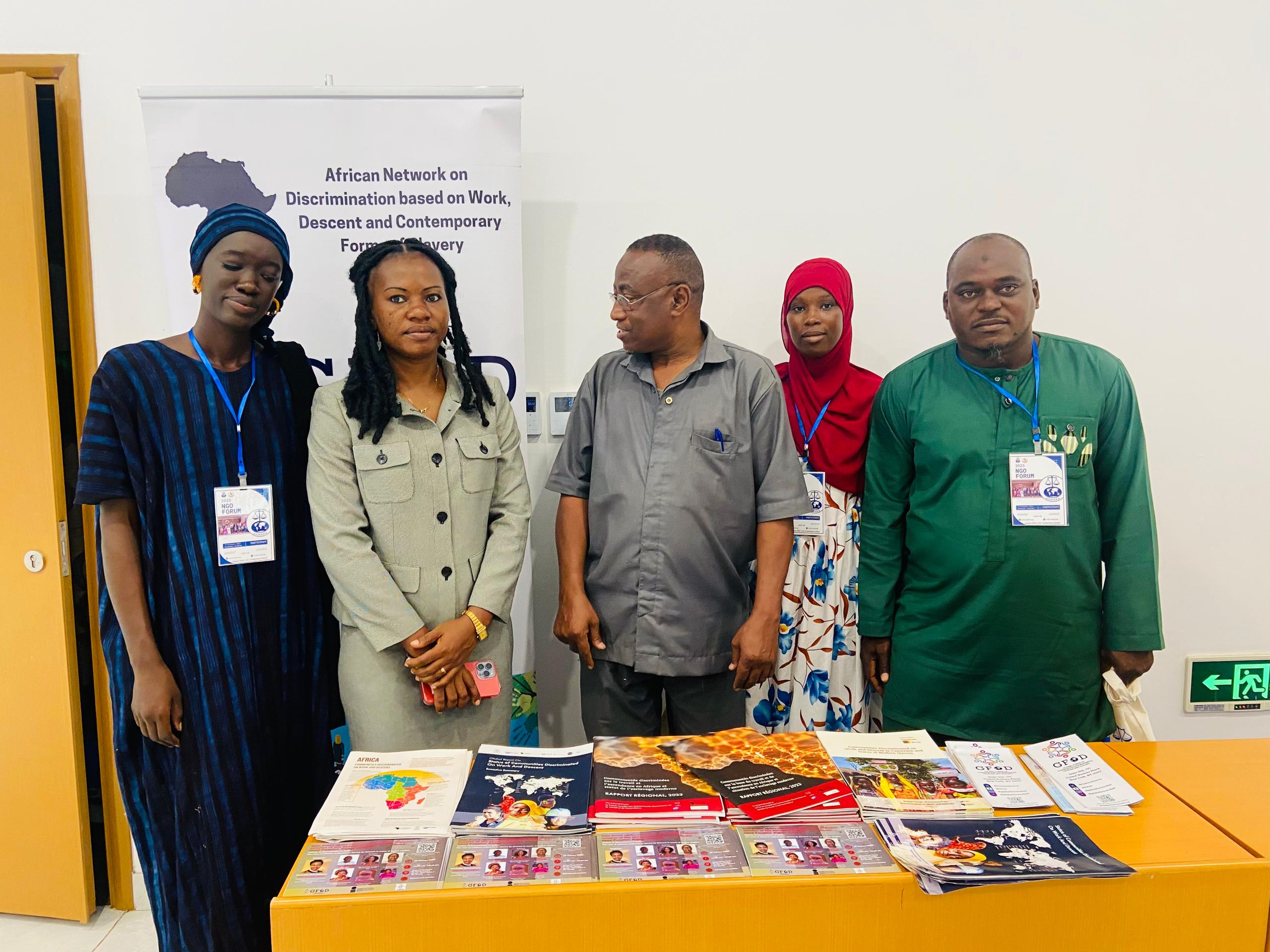
At the ongoing session of the African Commission on Human and Peoples’ Rights (ACHPR) in Banjul, The Gambia, experts representing the Global Forum on Discrimination (GFoD) delivered powerful interventions on behalf of Communities Discriminated on Work and Descent (CDWD), urging African governments and regional institutions to move beyond symbolic recognition and ensure tangible protection of CDWD rights. Queen Bisseng, GFoD’s Regional Coordinator, highlighted the significance of ACHPR/Res.619 (LXXXI) 2024, a resolution adopted last year to advance the rights of CDWD across Africa. She described the resolution as a historic milestone in the recognition, protection, and promotion of the rights of…
-
When Paper Costs More Than Rights: The Human Price of Statelessness in North Macedonia
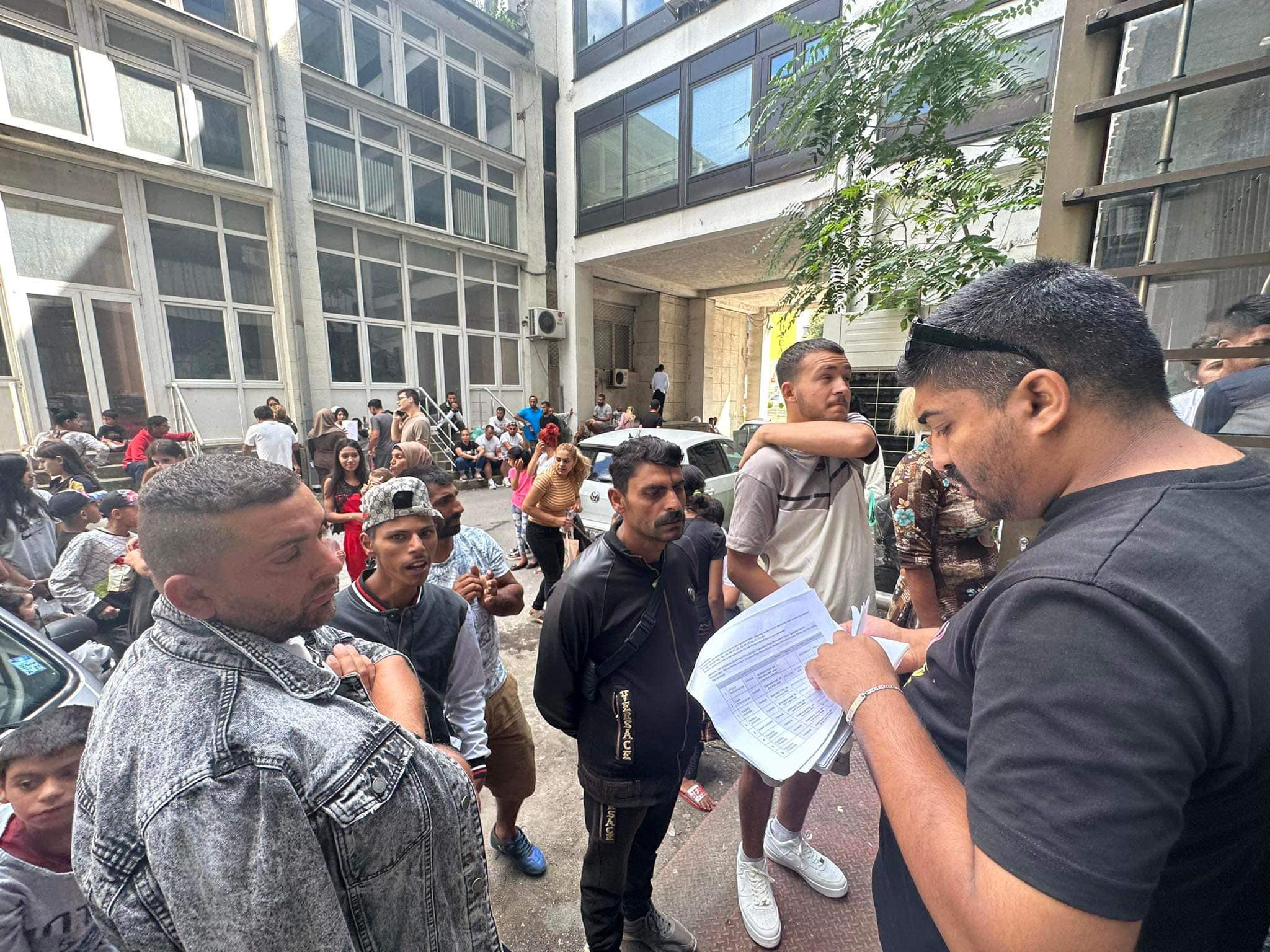
By Albert Memeti,Program Manager for Economic DevelopmentInstitute for Research and Policy Analysis, RomaliticoImagine being told that your very existence in the eyes of the state depends not only on having the right documents—but also on whether you can afford to pay for them. For many people in North Macedonia—especially Roma—living without citizenship or secure documentation is not a rare exception, but a daily, grinding reality. A recent administrative decision by the Ministry of Interior to raise the cost of temporary residence permits from €5 to €65, and permanent permits up to €100, has transformed what was once routine bureaucracy into…
-
CDWD Youth Make Historic Mark at UNGA Third Committee Youth Event 2025
New York: The participation of youth representatives from the Communities Discriminated on Work and Descent (CDWD) at the United Nations General Assembly (UNGA) Third Committee Youth Event marked a historic stride toward structural inclusion in global governance. Convened under the theme “Building Solutions Together for an Inclusive Future,” the event represented the first-ever youth-led convening under the UNGA’s Third Committee, which addresses social, cultural, and humanitarian issues — including youth, equality, justice, and human rights. The Global Forum of Communities Discriminated on Work and Descent (GFoD) was represented by Naveen Gautam, Global Focal Point (SGCDWD) for the Major Group for…
Understanding Discrimination Based on Work & Descent
Discrimination based on work and descent is any distinction, exclusion, restriction, or preference based on inherited status such as caste, including present or ancestral occupation, family, community or social origin, name, birth place, place of residence, dialect and accent that has the purpose or effect of nullifying or impairing the recognition, enjoyment, or exercise, on an equal footing, of human rights and fundamental freedoms in the political, economic, social, cultural, or any other field of public life. This type of discrimination is typically associated with the notion of purity and pollution and practices of untouchability and is deeply rooted in societies and cultures where this discrimination is practiced.
Contribute
Global call for applications for Rights Experts from Communities Discriminated on Work and Descent
Submission >>