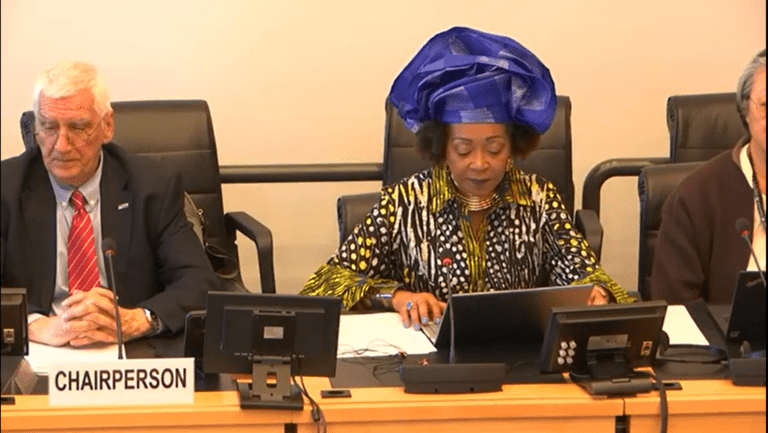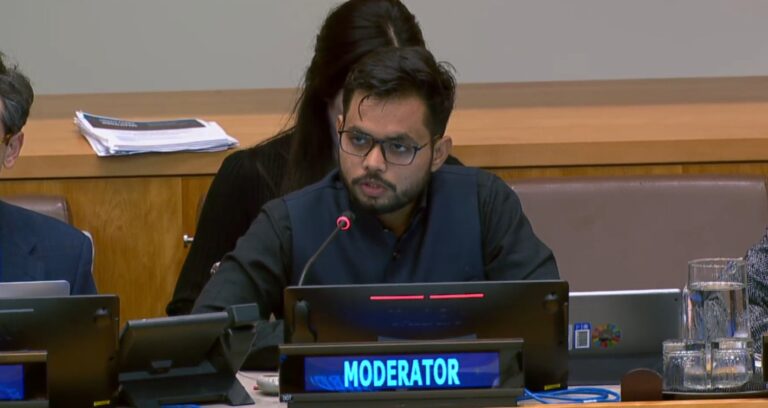


Written Contribution to the Draft General Recommendation No. 41 on Dismantling Gender Stereotypes and the Unequal Power Relations that Sustain them

Written Contribution to the Draft General Recommendation No. 41 on Dismantling Gender Stereotypes and the Unequal Power Relations that Sustain them

Written Contribution to the Draft General Recommendation No. 41 on Dismantling Gender Stereotypes and the Unequal Power Relations that Sustain them; Perspectives from Women affected by Work and Descent based Discrimination The Global Forum of Communities Discriminated on Work and Descent (GFoD) presents this submission in response to the Committee’s call for input on Draft…

Progress Toward New International Standard on Discrimination Based on Work and Descent

Progress Toward New International Standard on Discrimination Based on Work and Descent

At the public closing of the 117th Session on 1 May 2026, the Committee on the Elimination of Racial Discrimination (CERD) announced that a General Recommendation on Communities Discriminated on the basis of Work and Descent will be taken up for discussion and drafting. This marks a significant milestone in a long-standing process to secure…

Beyond the Margins: A CDWD Youth Vision for a Post-Doha Declaration World

For centuries and ages, Communities Discriminated on Work and Descent (CDWD) have lived at the harshest edges of social and economic exclusion. Yet across regions from Dalit and Burakumin communities in South Asia to Roma settlements in Europe, from Haratin groups in Mauritania to Palenque and Quilombola and Palenque territories in Latin America  youth are…

Quilombola Youth in Latin America: Confronting Inequality, Building Futures

Quilombola youth across Latin America, particularly in Brazil, continue to face structural challenges in education, employment, and access to justice. According to Brazil’s 2022 Census (IBGE), there are over 1.3 million Quilombola people, with nearly a quarter aged 15–29. Yet, this young and dynamic population often experiences deep-rooted inequalities—especially in rural areas where limited infrastructure…