

Progress Toward New International Standard on Discrimination Based on Work and Descent
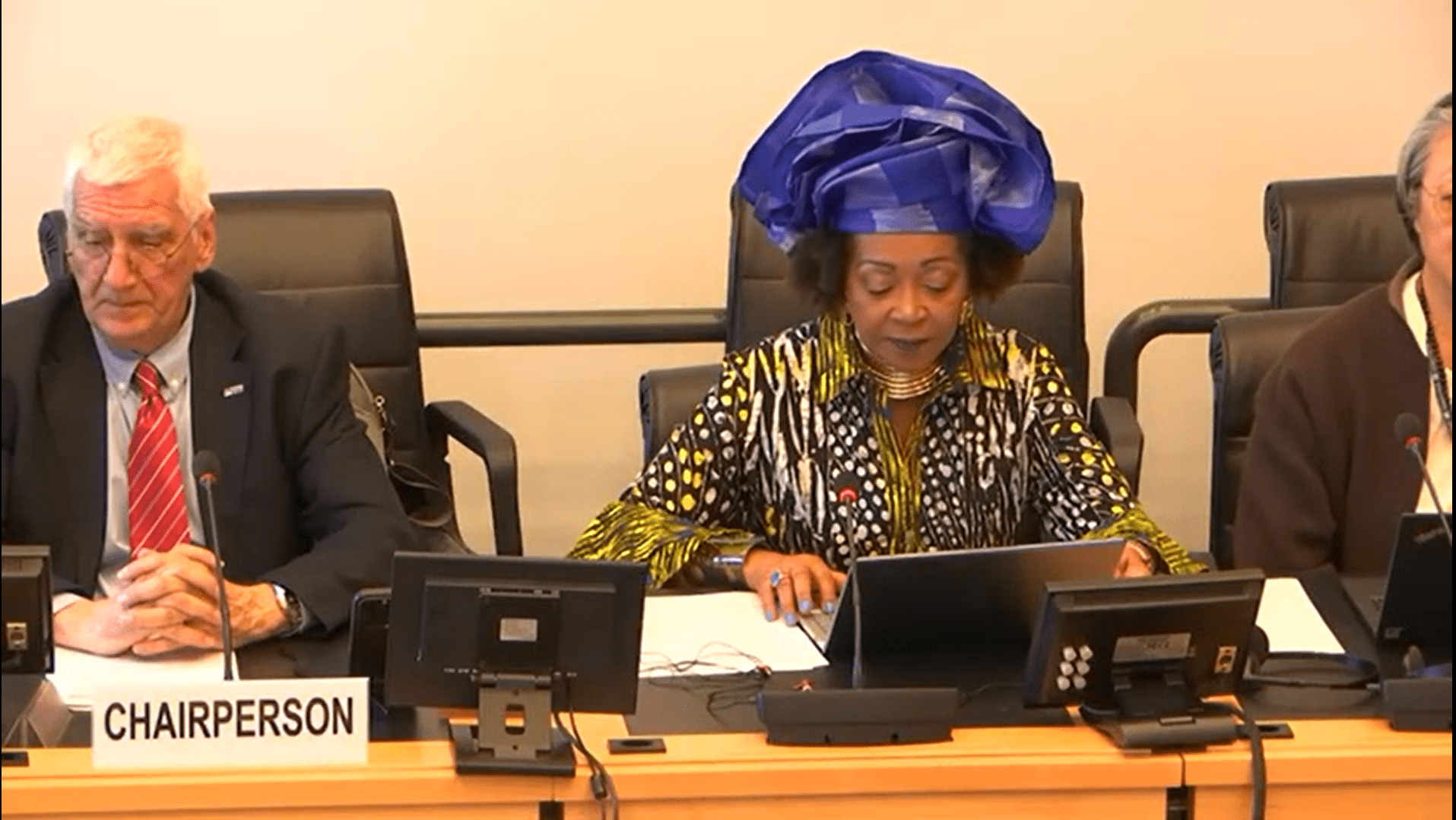
At the public closing of the 117th Session on 1 May 2026, the Committee on the Elimination of Racial Discrimination (CERD) announced that a General Recommendation on Communities Discriminated on the basis of Work and Descent will be taken up for discussion and drafting.
This marks a significant milestone in a long-standing process to secure stronger international standards and protections for Communities Discriminated on Work and Descent. Such an authoritative interpretation by a United Nations treaty body can clarify the scope of human rights obligations, guide state implementation, and strengthen accountability towards addressing Discrimination based on Work and Descent. We would like to acknowledge the Independent Experts of CERD Prof. Chin Sung Chung and Prof. Ibrahima Guisse and all others in CERD who have spearheaded this discussion.
The development of a new General Recommendation on CDWD is especially important in addressing long-standing normative and conceptual gaps within international human rights law. While existing standards, such as General Recommendation 29 on Descent, General Recommendation 27 on Roma, and General Recommendation 34 on people of African descent, have made important contributions, they remain fragmented in scope. A dedicated General Recommendation on CDWD can build on and bring coherence to these frameworks, integrating their strengths into a more unified standard. It will better reflect the lived realities of communities such as Dalits in South Asia, Roma in Europe, Buraku in Japan, Haratine, Osu, Jomo and similar groups in Africa and Quilombola communities in Latin America, who, despite different identities, face structurally similar forms of inherited, descent-based exclusion.
This progress reflects more than 25 years of continued advocacy, research, and movement-building by civil society across different regions. The Work and Descent framework does not ask communities to surrender their identity, nor does it collapse their experiences into a generic category. Rather, it recognises that structural mechanisms of discrimination, rooted in notions of purity and pollution, untouchability based on inherited status, and reinforced across generations, operate across diverse communities worldwide. At the same time, it respects the distinct histories, identities, and forms of resistance that shape each community's experience.
This achievement represents meaningful progress within the international human rights system and reflects the strength of global solidarity and cooperation that has made it possible.
We sincerely appreciate your continued commitment and support.
On Behalf of the Global Forum of Communities Discriminated on Work and Descent (GFoD)
Paul Divakar N, Gabriela Hrabanova, Beena Pallical, Queen Bisseng and Vercilene Dias