
Meet the Rights Experts 2026 COHORT
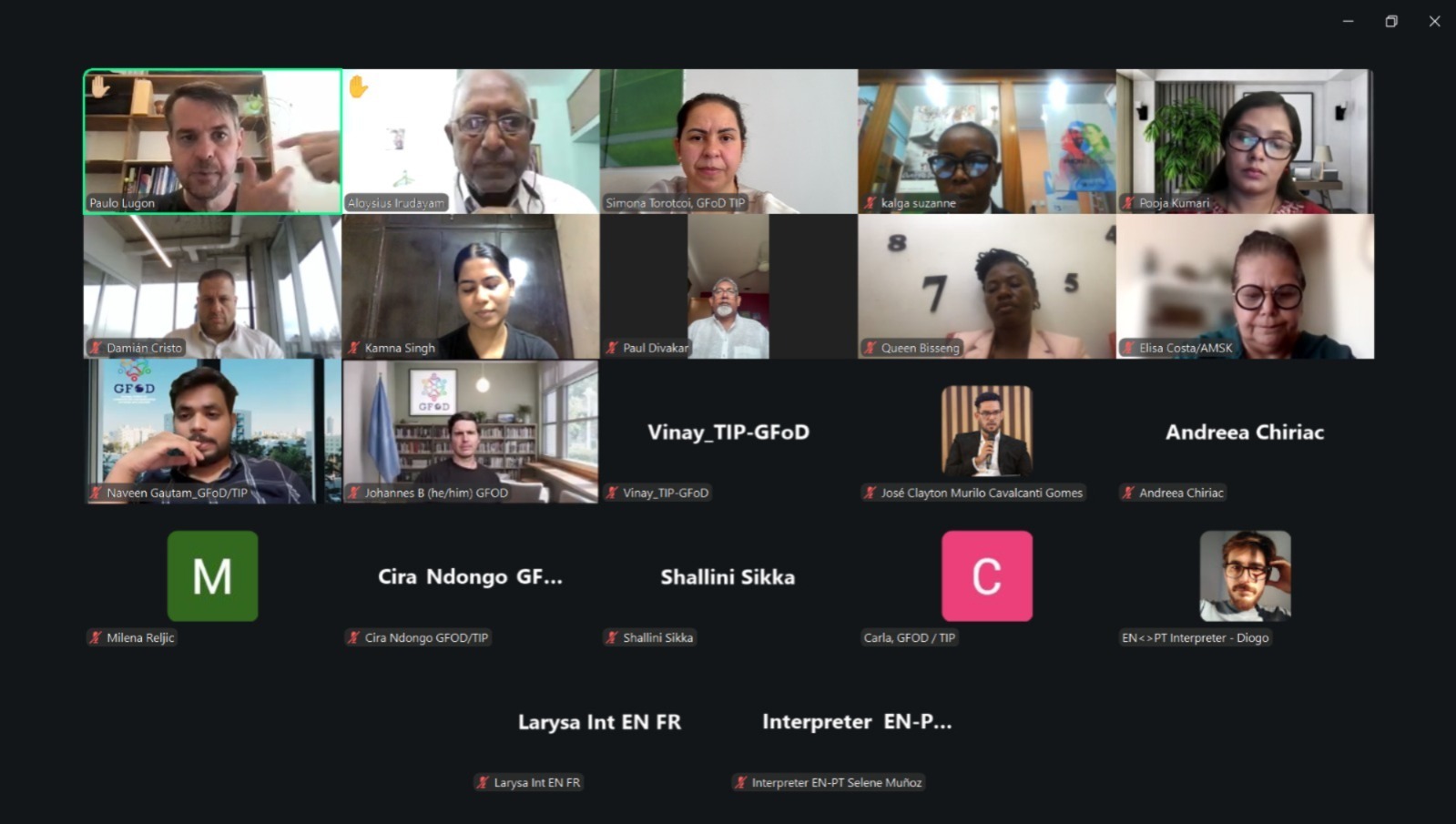
The Rights Experts (RE) Program is TIP's flagship initiative to build and sustain transformative leadership among Communities Discriminated on Work and Descent (CDWD), particularly women and youth who remain among the most invisibilized and excluded groups in decision-making and human rights spaces.
The current cohort brings together Rights Experts from 13 countries, representing diverse CDWD communities, including Roma, Dalit, Quilombola, Osu, Haratine and Ngwazla communities. Importantly, most of the Rights Experts are women, reflecting the program's commitment to strengthening the leadership and visibility of women who experience multiple and intersecting forms of discrimination.
Through a rigorous, module-based training curriculum, the RE Program equips community leaders with the knowledge, tools and confidence to advocate for their rights across local, national, regional and international human rights mechanisms. The program covers core human rights principles, gender justice, intersectionality, UN and regional mechanisms—including CSW, HLPF and VNR processes, UPR, CEDAW and the African Commission—and evidence-based advocacy.
Rights Experts are supported to document realities from their communities, bring lived experience into policy and advocacy spaces, and develop strategic skills to influence policies and decision-making processes that have historically excluded CDWD. In this way, the program moves beyond capacity-building: it invests in community-led leadership and creates pathways for CDWD women and youth to shape the human rights agenda themselves.
Despite decades of progress on equality and non-discrimination, CDWD remain largely absent from decision-making, accountability and global policy spaces. Investing in the RE Program is therefore an investment in bold, bottom-up leadership. With modest resources, the program strengthens local capacity, connects community realities to national and international advocacy, and helps ensure that global agendas include those too often left behind.

Andreea Chiriac is an anti-discrimination and equal opportunities expert at E-Romnja – Association for the Promotion of Roma Women's Rights. She has extensive experience in research, community mobilisation and inclusion-focused work with Roma communities, including on Roma women's access to health and reproductive health services. She holds a Master's Degree in Equal Opportunities Policies from the University of Bucharest and is a native speaker of Romani and Romanian.
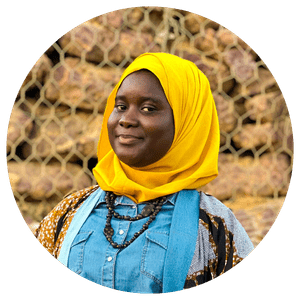
Cira Harouna Ndongo is a young artist and activist from Mauritania committed to combating all forms of systemic and caste-based discrimination. Her work focuses on challenging inequalities, creating space for people to speak out, and defending the fundamental rights of the most marginalized populations. Through initiatives focused on empowerment and expression, she works to provide women and young people with tools to resist and overcome exclusion.
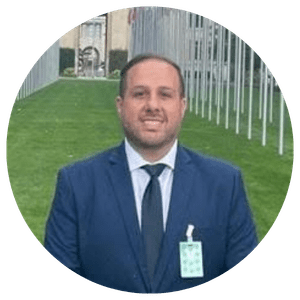
Damiàn Cristo is 41 years old, a father, and holds a degree in Public Policy Management. He lives in Argentina and began his activism as a child, defending his ethnicity and family. He later became involved in local politics and currently works for the Ministry of Human Development and Habitat of the City of Buenos Aires. He has worked with United Nations teams on issues affecting Roma communities. He was the first Romani person to teach about the Roma Holocaust in primary schools and the first to give a university lecture on communication and hate speech, focusing on the Roma case in the media. He recently spoke at the 135th session of the Inter-American Commission on Human Rights, presenting the situation of Romani communities in the Americas for the first time. For him, activism and human rights defence are a full-time commitment and his life purpose.
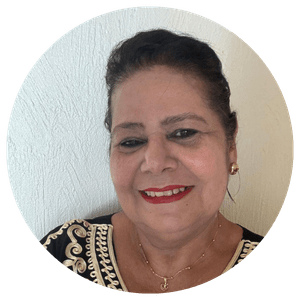
Elisa Costa is a Brazilian Romani feminist, human rights defender, and community researcher working nationally and internationally to promote the rights of Romani peoples, particularly in the areas of human rights, gender, childhood, social participation, evidence generation, and combating antigypsyism. She is the founder and president of AMSK/Brasil – Associação Internacional Maylê Sara Kalí, an organization dedicated to defending the rights of Romani peoples in Brazil, valuing Romani memories, and producing knowledge for public policy advocacy. She is an Ashoka Fellow and participates in several human rights networks and spaces. Her work focuses on Romani rights, memory and recognition of the Samudaripen, Romani feminism, children's and adolescents' rights, data generation, culturally appropriate listening, and addressing structural forms of discrimination.
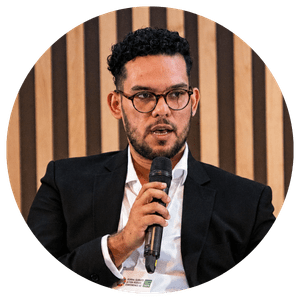
José Clayton Murilo Cavalcanti Gomes is a Quilombola human rights advocate from Brazil. He holds a Master's degree in Human Rights and serves as a consultant to the Brazilian National Human Rights Council (CNDH). His work focuses on racial justice, the rights of Afro-descendant and Quilombola communities, environmental justice, and the promotion of human rights at national and international levels.
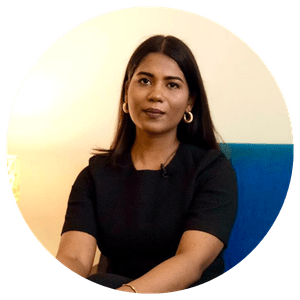
Kamna Singh is a PhD candidate in English at the University of Delhi researching Dalit women's life writing, caste, and public history. Her work explores the intersections of caste, gender, memory, and social justice through research, writing, and translation. She is interested in strengthening evidence-based advocacy and contributing to policy and human rights initiatives that advance the rights of communities discriminated on work and descent.
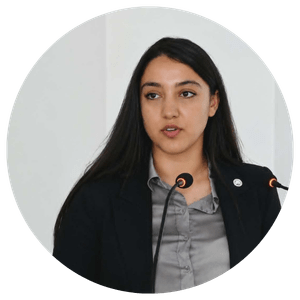
Milena Reljic is a Master Psychologist with more than 10 years of experience advancing equality, inclusion, and the rights of Roma and other marginalized communities. Her expertise includes human rights advocacy, qualitative research, policy analysis, diversity and inclusion, stakeholder engagement, and capacity-building. Her work focuses particularly on Roma rights, women's empowerment, youth leadership, and inclusive policy development. She is a member of the Collective of Romani Gender Experts, where she serves as Membership Coordinator. She is also a lecturer and trainer on psychological topics, including mental health, burnout prevention, assertive communication, resilience, and personal development.
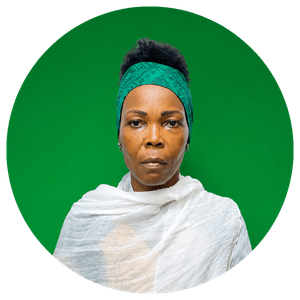
Ngo Kalga Suzanne Rosalie is a Cameroonian community activist working to promote human rights, social inclusion, and community development. She comes from a multicultural heritage reflecting the diversity of communities in Cameroon. Her work focuses on intercultural dialogue, social cohesion, and defending the rights of historically marginalized communities and people affected by work and descent-based discrimination, as well as older persons. She conducts advocacy with administrative authorities and civil society organizations.
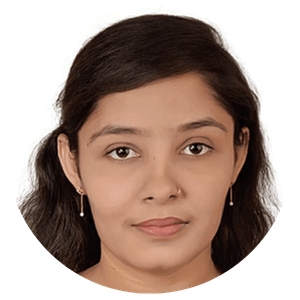
Pooja Kumari is a human rights advocate from Tharparkar, Sindh, Pakistan, currently based in Islamabad. She holds a Bachelor of Education (Hons.) and works to advance the rights of Dalits, religious minorities, women, and children through education, grassroots advocacy, and community engagement. She is the Director of Dignity First and works closely with the Pakistan Dalit Solidarity Network (PDSN) to promote equality, gender justice, inclusive education, and the elimination of caste-based and work and descent-based discrimination.

Precious Chidera Opara is a project manager with experience in community engagement, programme coordination, and social impact initiatives. She has worked with nonprofit and private sector organizations, supporting projects in health, education, and community development. She is passionate about advancing equality and social justice and has a growing interest in addressing descent-based discrimination in Nigeria through research, advocacy, and community engagement. As a Rights Expert, she hopes to contribute to generating evidence and promoting inclusive solutions that uphold the dignity and rights of affected communities.

Rosiene Francisco dos Santos is a Quilombola Kalunga from the state of Goiás, Brazil. She is a PhD candidate in Anthropology and holds a Master's degree in Tourism, both from the University of Brasília. She is a researcher with the Sociabilities, Differences and Inequalities Group (GSDD/UnB). Her work addresses climate justice, socio-environmental conflicts, tourism, and ethnic-racial relations in Quilombola territories. She collaborates with the Associação do Quilombo Kalunga (AQK), where she works as a project coordinator and consultant in the third sector.

Sangita Dutraj is a Development Expert specializing in Human Rights, Gender Equality, and Social Inclusion (GESI), dedicated to advancing social justice, equity, and the dignity of marginalized communities. Her work focuses on creating spaces for dialogue, mutual learning, and collaboration among partner organizations, civil society, and communities. She particularly works to amplify the voices of marginalized groups, including Dalit women, by advocating for their rights, leadership, and meaningful participation in development processes. She is committed to rights-based approaches, policy advocacy, capacity strengthening, and inclusive programming.
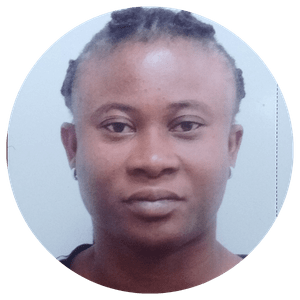
Uzumma K. Onyenucheya is a Legal Officer and human rights advocate with a strong interest in equality, social justice, and protecting the rights of marginalized communities. She is passionate about advancing inclusion, empowering vulnerable groups, and contributing to meaningful social change through advocacy, legal expertise, and community engagement.