
From Representation to Recognition: CDWD Youth at the UN General Assembly Third Committee Youth Forum
The representation of youth from Communities Discriminated on Work and Descent (CDWD) at the UN General Assembly Third Committee Youth Forum in 2026 marks another important step towards ensuring that historically marginalised young people are recognised in global decision-making.
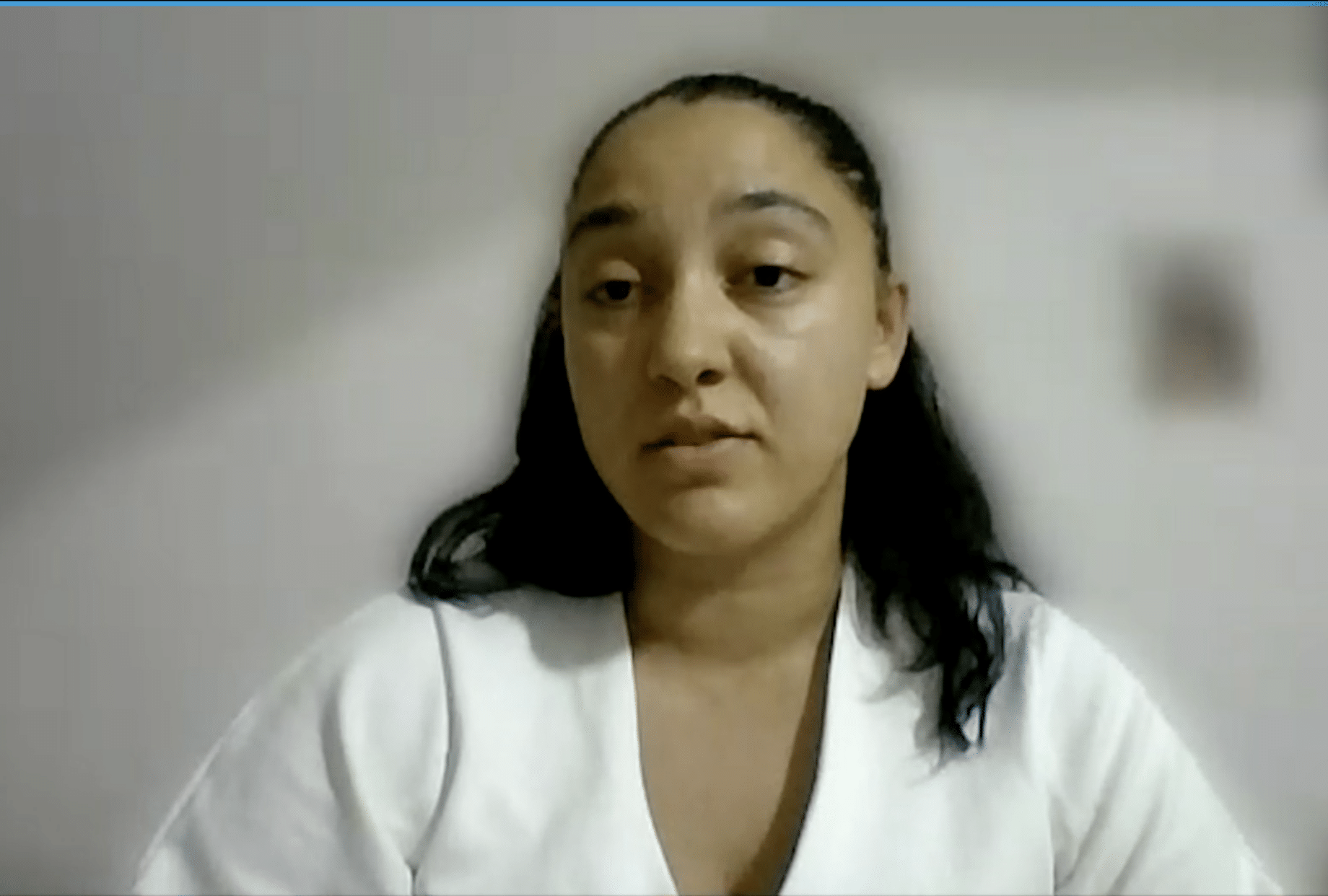
At this year's forum, Millena Reljic, a 30-year-old Roma woman from Europe, brought the concerns of CDWD youth directly into the discussion. Representing The Inclusivity Project and ERGO Network, she highlighted the discrimination faced by young people from communities affected by inherited status and descent, emphasising the need for their experiences to be reflected in international policies, data and decision-making.
“If we are not counted, our realities are easier to overlook and the world has to hear us now”
In her speech, Millena drew attention to the persistent invisibility of CDWD communities in global policy and development frameworks. She highlighted how discrimination affects access to education, decent work, healthcare, housing, justice and political participation. For young women from CDWD communities, these barriers are further compounded by gender-based discrimination, violence and economic exclusion.
One of the most powerful messages of her intervention was:
“If we are not counted, our realities are easier to overlook. If we are not at the table, our solutions are easier to ignore.”
Millena called for stronger connections between human rights, development, gender equality, peace and security, and meaningful youth participation. She stressed that commitments must translate into grassroots implementation, with measurable and accountable outcomes.
Her concluding message captured the essence of CDWD youth advocacy:
“We need a future where young people from communities affected by inherited discrimination are trusted to help shape it.”
By speaking from her own Roma identity while highlighting the wider experiences of CDWD youth, Millena reinforced the importance of collective representation across communities and regions.
Building on the historic milestone of 2025
This year's intervention builds on a historic moment in 2025, when Naveen Gautam became the first CDWD youth to moderate the second segment of the inaugural UN General Assembly Third Committee Youth Forum. His participation opened an important space for CDWD youth leadership within an official UN youth forum.
Millena's intervention in 2026 carried this momentum forward, demonstrating that CDWD representation must extend beyond a single historic moment to become a sustained part of international youth engagement.
Since April 2025, significant progress has been witnessed in the global CDWD youth movement, with youth constituencies working across different thematic areas increasingly coming together to support CDWD youth. This growing solidarity recognises that discrimination based on work and descent intersects with issues such as decent work, gender equality, education, access to justice and sustainable development.
The movement is increasingly focused not only on making CDWD youth visible, but also on ensuring that they can influence policies, build alliances and participate meaningfully in decision-making.
Strengthening youth understanding of UN human rights mechanisms
A day before the Third Committee Youth Forum, Naveen Gautam, representing the Stakeholders Group on CDWD and serving as Global Focal Point on Work and Descent Discrimination, oriented young people from across the globe during the Youth Blast organised by the UN Major Group for Children and Youth (MGCY).
The session explored the relationship between the General Assembly's Third Committee and the Office of the UN High Commissioner for Human Rights, including the mechanisms connecting their work within the wider UN human rights system.
This orientation helped highlight why understanding UN institutions and processes is important for effective youth advocacy. For CDWD youth, such knowledge can strengthen their ability to engage with human rights mechanisms, identify opportunities for intervention and connect grassroots concerns with international decision-making.
Solidarity across the global youth movement
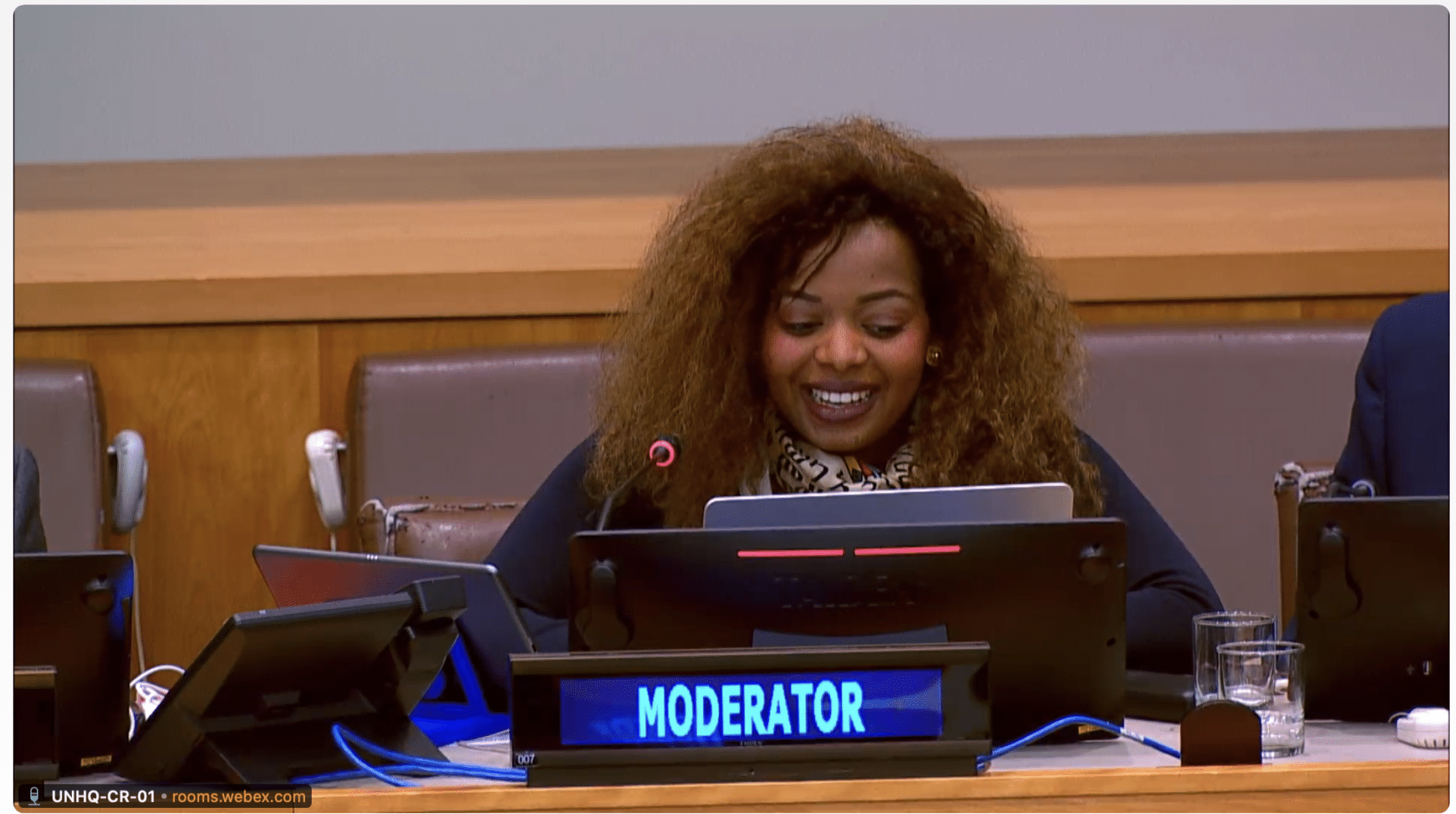
Support from allies within the wider youth movement was another significant aspect of the forum. Ms. Mahlet Redi, Global Focal Point for the SDG 8 Youth Caucus of MGCY and moderator of the forum's second segment, specifically called for strong support for CDWD youth.
Her intervention highlighted the importance of solidarity across youth constituencies. This is particularly relevant to SDG 8 on decent work and economic growth, as discrimination linked to inherited status and traditional occupations continues to create barriers to dignified employment and equal economic opportunities for CDWD communities.
Such support demonstrates the value of youth constituencies working together to challenge exclusion and ensure that historically marginalised communities are not left behind.
From visibility to meaningful participation
The interventions of Naveen in 2025 and Millena in 2026 represent more than individual achievements. They reflect a growing global movement demanding recognition, meaningful participation and leadership for CDWD youth.
The next step is to ensure that this representation translates into sustained engagement, adequate resources and genuine opportunities to shape policies and programmes.
As Millena's speech reminded the international community, young people from communities affected by inherited discrimination must be trusted to help shape the future. The growing solidarity among youth constituencies offers an important opportunity to turn this principle into action.
The message is clear: CDWD youth must not only be counted and heard; they must also be supported as leaders and partners in shaping a more equal and inclusive world and the world has to hear us now